How YOUR daily habits may eventually destroy your cognition and consciousness – and why neurology tips work
By Pia Tuominen
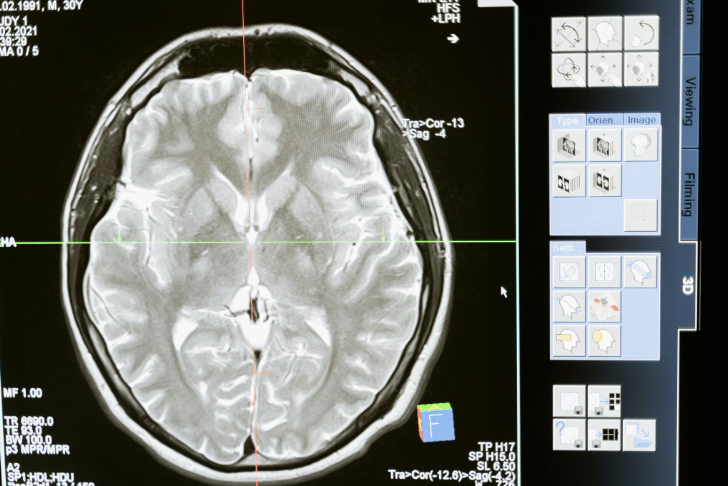
MRI brain scan on a computer screen
If you have even the slightest interest in wellness and health, you may have come across various publications claiming things like: “Eating nuts 5 times every week increases life expectancy by 2 years”, “Going on a walk increases creativity by 60%”, or “Consuming a 320mg magnesium supplement makes you fall asleep 15-20 minutes faster”. Some long-winded study may or may not be cited, but they usually don’t tempt our precious clicks and we go about our day blindly accepting these as our truths. Such tips may seem like ridiculously obvious and logical facts, but have we ever stopped to consider how these hacks work? It may surprise you how little you actually understand about your daily life.
To narrow down the scope of wellness ‘hacks’, let us focus on one prevalent disease that middle-aged adults become exceedingly concerned about as they age: dementia. In light of the relatively recent seminar by an expert from Hong Kong’s Alzheimer’s Disease Association, we are likely more aware of the dangers it poses than ever before. You may wonder why discussing an illness that only the elderly seem to develop is relevant, and while it is true that this illness is most prevalent amongst senior citizens, 5% are diagnosed with dementia before the age of 65. Some can be diagnosed as early as in their 30’s, and since dementia can be diagnosed up to 4.1 years after the mildest initial symptoms are onset, this means this disease can start to develop in your 20’s. Therefore, it also poses a risk to school-age students, who could start to develop it even a handful of years after graduating university.
As you may already know, dementia is the deterioration of cognitive abilities, its most common form being Alzheimer’s disease, which makes up ~70% of all dementia cases. Initial symptoms include memory loss, trouble solving problems, trouble learning new skills, and personality changes. As the disease progresses, symptoms worsen, with the presence of new symptoms such as hallucinations, delusions, and difficulty balancing and coordinating movements. It can be debilitating to experience these symptoms. For the irreversible types of dementia, which is the vast majority of them, symptoms will slowly creep into every facet of one’s life, slowly pulling you into a swirling whirlpool of confusion, fear, and panic. But fear not, because leading a healthy lifestyle can prevent this altogether (and even if one is diagnosed, the increasing treatments and understanding about this disease can help alleviate some of this stress)!
The two little dementia-preventing habits that I will detail are unfortunately ignored far too often, especially by RCHK students, so understanding the strong reasons as to why these habits work may allow you to actually stay committed to them – and not regret living your young life better when you are older.
The first way to prevent dementia is dealing with something that becomes more rampant as you progress through your school career: stress. During those periods where all your assessments seem to be scheduled within a week, prickles of panic may arise far more often than they usually do. Upon the activation of the flight-or-flight stress response, the sympathetic nervous system (the parts of your brain which control involuntary bodily functions) enables the release of adrenaline and noradrenaline, which increase heart rate and blood pressure, among other autonomous functions. In about 15 minutes, the hypothalamic-pituitary-adrenal axis (a neuroendocrine pathway) releases the hormone cortisol, which can enter the brain to notify the brain’s various parts to react to the stressor. The immune system also triggers inflammation through various pro-inflammatory compounds, which can result in heat, redness, swelling, pain, and loss of mobility in the body. Disturbances in the body generally cause inflammation, which creates a hostile environment to any pathogens and toxins, and boosts the functioning of immune cells so they can better tackle the issue.
Elevated levels of corticosteroids such as cortisol are reported to increase the incidence of plaques and tangles. Beta-amyloid is a fragment of a protein called amyloid precursor protein that have been snipped to pieces by enzymes, and they stick together with other molecules to form plaques, which can stick to the synapses of neurons, essentially blocking the transmission of information from cell-to-cell. Neurofibrillary tangles are abnormal clumps of the protein tau, which are essential to support the ‘path’ in which neurons send information to each other. It is unclear as to whether these plaques and tangles are formed because of dementia, or whether dementia forms because of them.
When the stress response is constantly activated, persistent brain inflammation can damage cells and tissues. When the stress response continues for too long and plaques and tangles form, certain immune cells called microglia are activated to clean up toxins and cellular waste. However, this also comes with the release of proteins that damage neurons from the microglia and other immune cells. This is the intermediate precursor to dementia, but it occurs decades before dementia symptoms emerge.
To best manage stress at school, stay organized by keeping a to-do list, scheduling all events on a calendar, avoiding completing an assignment last-minute, etc. But stress is inevitable, so find your best way to calm your body. It could be meditation, exercise, or counselling, but just remember to avoid brain inflammation at all costs.
The second way to prevent dementia is limiting ultra-processed foods (UPFs). UPFs include at least one mysterious ingredient that is not or cannot be used in a typical kitchen, such as artificial flavors, synthetic preservatives, and artificial sweeteners like high-fructose corn syrup. These foods undergo processing only possible in specialized facilities, making the final product vastly different from its initial ingredients. Although excessive consumption of UPFs are commonly known to have strong links to obesity, cardiovascular diseases, and type 2 diabetes, they too affect the brain.
UPFs are typically low in fibre, an essential nutrient for the gut’s microbes, which allows the little bacteria to produce short-chain fatty acids that provide nutrients for the cells lining the gastrointestinal tract to metabolize. Lack of fibre can cause a disrupted gut.
Synthetic emulsifiers (like hydrogenated oils) have also been shown to break down the mucus lining in the stomach, since their ability to reduce the tension between water and oil also reduces the tension between the stomach and the mucus lining, allowing toxins to easily penetrate into the bloodstream, and hence the brain.
Metabolic disorders are also strongly associated with the development of dementia. In a South Korean study of almost 2 million people, those with metabolic syndrome were 24% more likely to develop early-onset dementia. Metabolic disorders generally come with inflammation, and may also hinder the brain’s ability to metabolize calories, triggering the intermediary to dementia and slowing neural responses.
Therefore, consumption of UPFs is robustly linked to inflammation. Those who consume high amounts of UPFs tend to have higher levels of C-reactive protein in their body, a protein which indicates systemic inflammation (inflammation that circulates the entire body and affects multiple tissues and organs), and as previously mentioned, the inflammation of the brain is a key marker of cognitive decline.
Ensure to check the ingredients of the food you eat, aiming to consume UPFs in moderation or avoiding them altogether. However, ensure you research before cutting off certain ingredients, since everyone’s body reacts differently, and what may cause diarrhea for you may be perfectly fine for someone else. Incorporating more “brain foods” in your diet are also beneficial. These are foods rich in omega-3 fatty acids to replenish the 60% fat your brain is made of and/or antioxidants to help prevent the oxidative damage caused by the excess of metabolic byproducts (which include beta-amyloid and tau) in the brain; excellent brain foods include avocados, celery, and extra-virgin olive oil.
You will not be young forever. The sooner you start taking your health seriously, the better your chances of escaping or delaying these frightful diseases become. Plus, since the body is magnificently interconnected, these habits can benefit every aspect of your health; not only helping to protect your cognitive abilities, but inciting a profound impact on your entire life.