Diving deeper into Hong Kong Biodiversity - HKU collaborates with ESF
By Alyssa Leong
The Swire Institute of Marine Science (SWIMS) program was a collaboration between ESF and the University of Hong Kong. The program offered insight into the scientific techniques HKU scientists use to research biodiversity in Hong Kong’s coastal habitats. A few fortunate RCHK students, including me, were chosen to attend. Throughout the experience, these various techniques offered a new and exciting view of the numerous species found in Hong Kong’s unique habitats, including Cape d’Aguilar Marine Reserve and the wetlands of Tai Tam Bay.
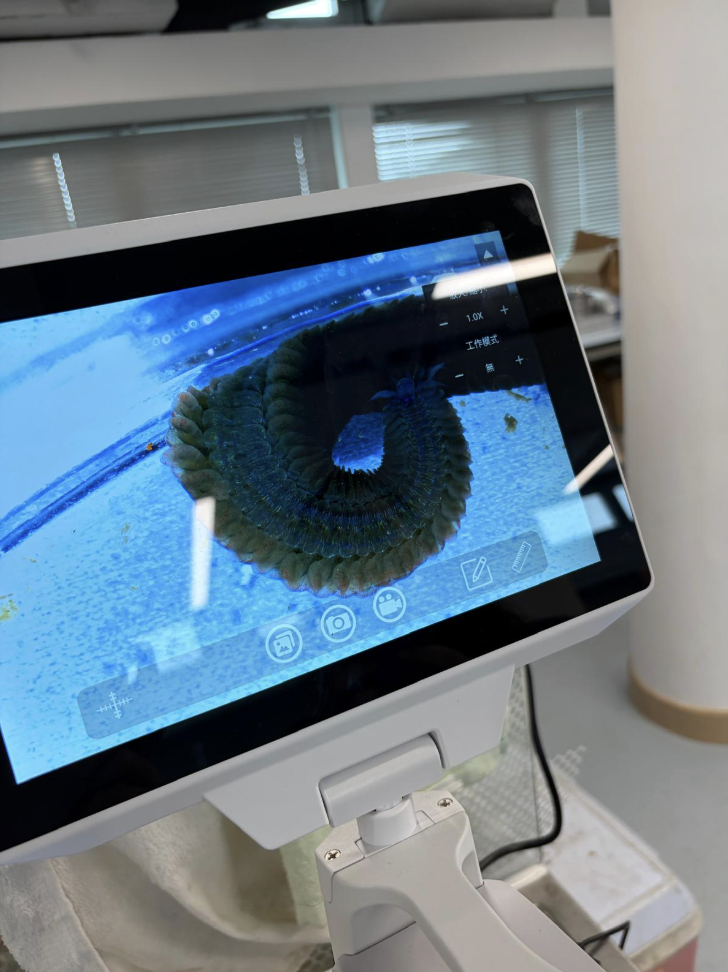
One surprising device that the scientists used was the ARMS (Autonomous Reef Monitoring System) which is a standardized tool to collect marine life, consisting of a stack of PVC plates on a metal frame, which were left in the ocean inside a box for several months. This was then collected on the day we arrived and we were able to observe its contents; multiple crustaceans, worms and fish were inside the box and clinging to the plates. One notable species we observed were jelly-like tunicates, which are marine invertebrates and were our closest relatives amongst the gathered marine life (besides the fish). There were also extremely small shrimp. We collected the organisms to examine under a digital microscope, equipped with a small iPad-sized screen showing the magnified view. Our group collected a small black marine worm, which was hard to focus within the microscope as it kept running away from the light. Eventually, we found that in the light it actually had glistening scales that were green with red patches, like those found on uncut precious stones. Our task then was to identify the various species and their prevalence from this sample of creatures that had made their home within the ARMS.
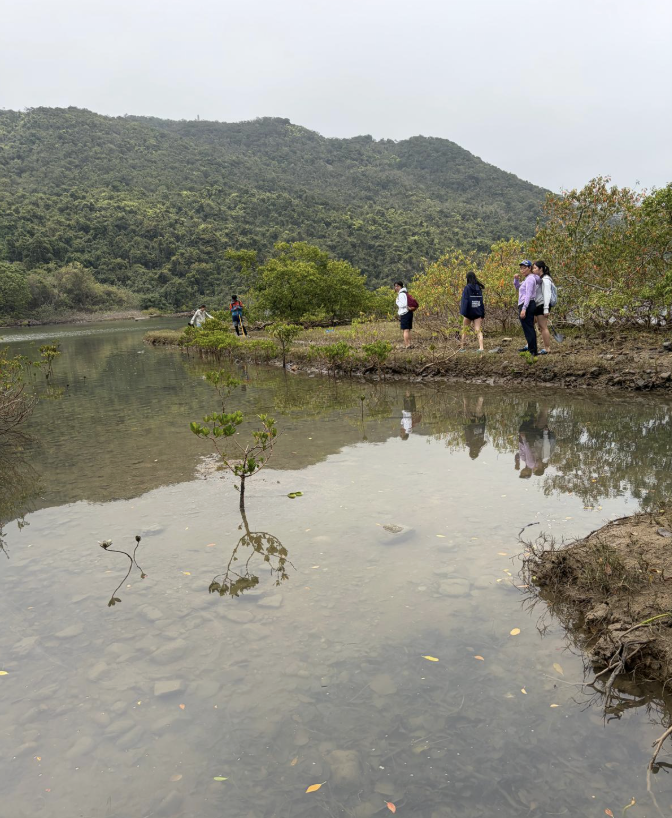
We were also able to discover various animals within the Tai Tam Bay mangrove, which was alternately flooded and dry. In the morning we were measuring the heights of the mangrove trees and writing down any snail species that were found. In the afternoon, the water receded, revealing soft moist peat covered in crab holes. We were sieving the mud of the ground into the remaining pools of water in an attempt to find small animals that were underground in the mud such as crabs and snails. It seems that sieving mud is a skill that scientists have to learn since the scientists were able to do it and discover crabs, while we just found shells of snails within the mud and not much else. The quickly changing water level of the area was interesting as the crabs and plants were able to survive equally well when the environment was completely under water and when it was dry. There were egrets too on a distant “island” of oyster shells but they left after the tide had receded and we were able to just walk there, suggesting that their behavior was influenced by this moving border of water as well. This opportunity to visit an unique environment allowed us to discover the diversity of habitats in Hong Kong.
There were also techniques that were not so hands-on in the environment, but allowed us to form a more complete image of the biodiversity in locations.
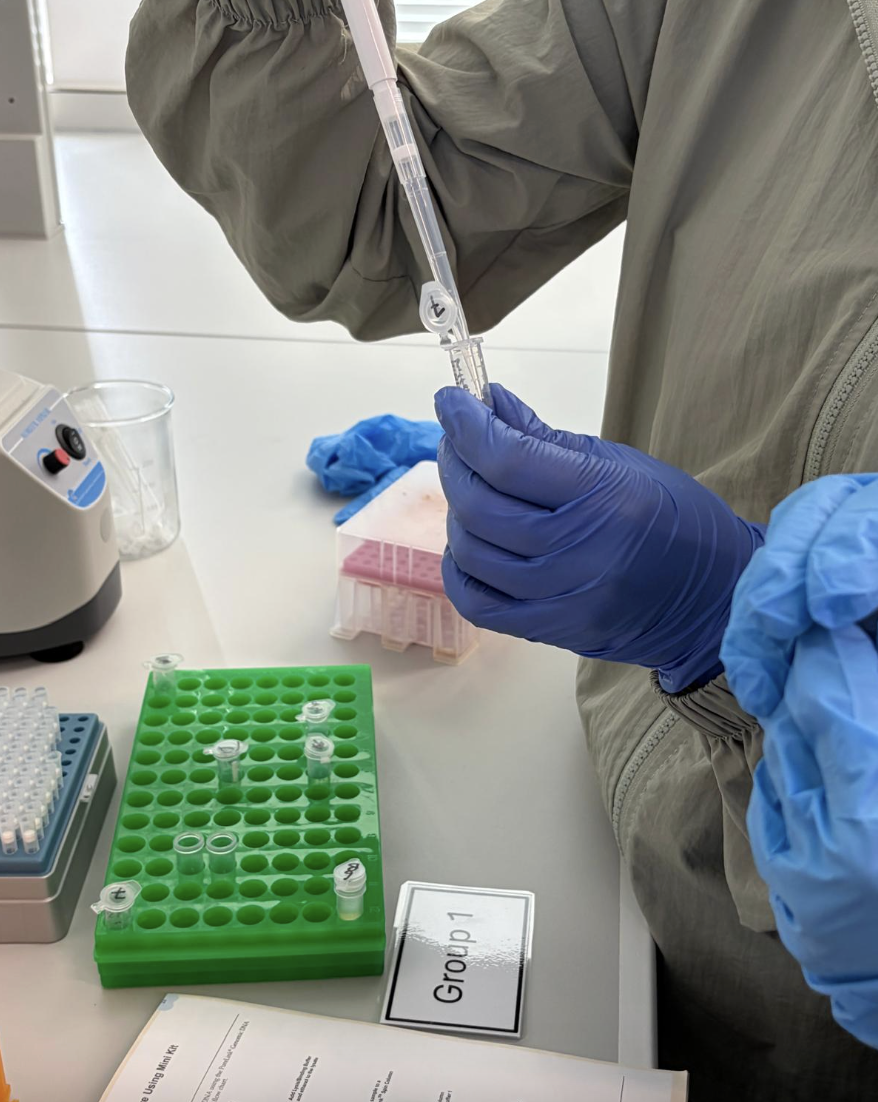
We collected environmental DNA (eDNA) from water samples at the coast at Cape d’Aguilar. This environmental DNA is shed from animals into their environment, and can show the variety and number of species in a given area, as well as human impact; for example, one might find DNA on plastics. We filtered and processed the water sample to extract the DNA, finally producing an eDNA solution that we placed into a machine that was able to read it and produce graphs. Honestly, the fruits of our labor were not that impressive compared to that of the microscope or the discovery of crabs in the dry mud, but we were able to get some DNA. The professor assured us that the first time he did this process he didn’t get any DNA, so this can be counted as a success. It seems that another skill important to scientists is to be positive and encouraging. Interestingly, this is less invasive than really entering environments or disrupting marine life with artificial habitats such as ARMS. Animals that are rarely seen and would flee from people can be detected using eDNA, but it’s still a developing technology.
Comparing various approaches to find biodiversity in marine habitats, it seems that some elements such as the presence of worms and bugs, and dirty field trips to mangroves, are seen as messier or unappealing, which could lead to people not wishing to go out of their way to see these things. However, it was very much a rewarding and important experience. We were trying to see things that humans are not able to see without technology, the big picture of ecosystem health including such minuscule and cryptic animals as the worm or the underground crab, or the seemingly uninteresting mangrove forest which in reality holds an abundance of unique life.
In order to protect the diversity of life through finding populations and their stressors, we need to try to see the same thing in different ways using different techniques.