Over 1000 people dead from the devastating flood in Nepal as they continue to search for more
By Bethany Lam
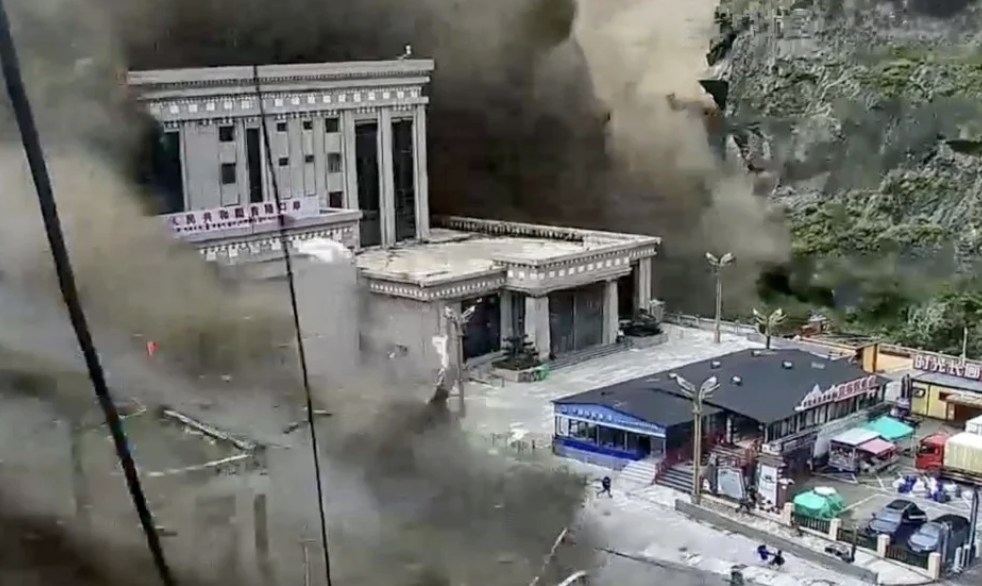
On August 26, a huge landslide occurred at about 8:37 A.M., creating a flash flood of water and debris that swept through northern Nepal; exacerbated by a glacial collapse in the mountainside in Nepal’s Langtang region. This mass of ice and rock became a melting flow of debris that rushed down the mountain, destroying everything in its path.
Over 1,000 deaths were reported, with 3,916 missing as of 1 A.M. August 31. The flood has affected over 90,000 people, wiping out whole towns and hundreds of homes. A total of about $191.01 million has been donated by various countries to aid Nepal in recovering from this catastrophic event. More than 10,000 people have been rescued so far. It has also affected the neighboring Tibet side, with at least 16 reported dead and over 500 missing.
At first, people thought the cause of the flooding was an earthquake due to the reported seismic tremors that were associated with the event, but it was found that the shaking was caused by the huge glacier collapse that induced a magnitude 5.2 earthquake. The glacier fell from 7000 feet high into the water. The wave of ice and rock traveled nearly 14 miles in just 6 minutes and 50 seconds.
According to research, ice loss rates of glaciers across the Hindu Kush Himalayas (near Nepal) have doubled since 2000, risking the lives of the 2 million people who live downstream. Scientists say that climate change is a big factor causing glaciers and landslides.
Wouter Buytaert, a hydrology professor at Imperial College London says that it was “...exactly the type of event that is triggered by climate change.”
This is not the first time that there has been a glacier collapse and avalanche. In 2021, about 950 million cubic feet of rock and ice crashed into Ronti Peak from India’s Uttarakhand peak, destroying hydropower plants. Similarly, in 2025, 335 million cubic feet of rock and ice also cascaded into the village of Blatten from the Birch Glacier in the Swiss Alps. Climate change has caused more and more outburst floods from glacial lakes, increasing the risk for landslides and floods.