Koalas
By Morisa Wong
Koalas are more than just fluffy, cuddly-looking teddy bears. Now that I mention it—sorry for the misinformation—koalas aren’t actually bears! They are marsupials, meaning they give birth to underdeveloped young that continue developing in their mother’s pouches. A common misconception is that Australia is home to all marsupials. Although Australia is home to most marsupial species, they are also found in South, North, and Central America, New Guinea, and Southeast Asia.
Australia cares deeply about its wildlife, including the koala, which is the only marsupial with fingerprints! That's not the only thing that makes them unique. Koalas are also the only mammals—other than the Ringtail possum and the greater glider—that can eat eucalyptus leaves. Did I mention that they only recognise their favourite food, eucalyptus leaves, when the leaves are still on a branch? Yep… Koalas aren’t exactly known for their intelligence, which contributes to why they are one of the most vulnerable marsupials in Australia.
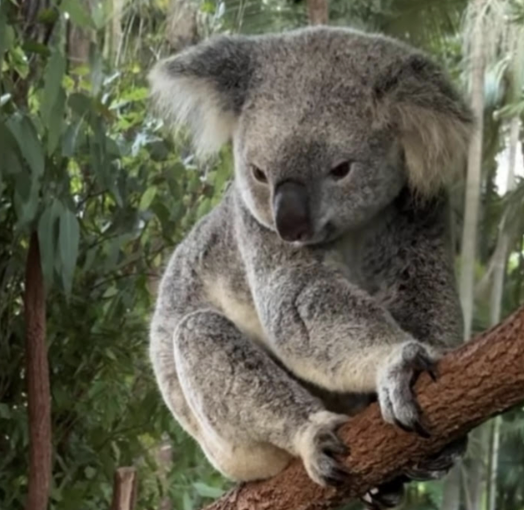
A lot of people, including myself, thought that koalas only eat eucalyptus leaves, but that's not true; they also occasionally eat wattle, tea tree, and paperbark. Although koalas aren’t intelligent, don’t underestimate them. Eucalyptus leaves are low in nutrients, toxic, and difficult to digest, but they are high in water content. This increases the koala's odds of survival by reducing how often they have to come down from a tree to seek water, which would leave them exposed to predators on the ground. Speaking of survival, eucalyptus leaves make the flesh of koalas taste horrible, so predators usually don’t target them. When koalas are targeted, it’s usually by dogs, lizards, and snakes. According to the Australian Wildlife Conservancy, koalas are particularly vulnerable to attacks by wild dogs when on the ground.
Because digesting eucalyptus leaves consumes so much energy, and since the leaves offer so little nutrition, koalas sleep up to 22 hours a day! So, really, all koalas do is eat and sleep.
These animals house a special bacterium that helps them digest the leaves. They can also tell how toxic leaves are just by smelling them. They may have poor eyesight, but their strong sense of smell helps them remain alert to their surroundings.
All baby marsupials in Australia are called joeys. A koala pregnancy lasts only up to 36 days! Koala joeys are often compared to jellybeans: they are tiny, pink, blind, and earless. After birth, they stay in the pouch for another six months, then ride on their mother’s back until they are ready to be independent. Sadly, Australia is drier and hotter than ever; bushfires happen more frequently, and the risk of extreme fire weather is 30% higher than before. When koalas get scared, they climb higher into the trees, leaving them trapped with no way out. There were once millions of koalas in Australia. Now, there are fewer than 500,000, with the majority dying from animal attacks, diseases, and starvation. There are over 700 different varieties of eucalyptus in Australia, but koalas only eat about 50 of them. It is getting even harder for them to find their favourites because forests are being cleared for agriculture and urban development, leading to starvation.
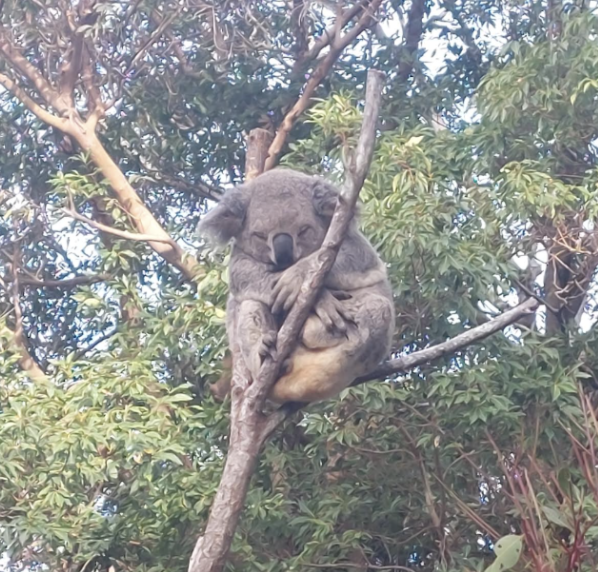
If you ever visit Australia, remember to visit its iconic animal, the koala! Please beware of drop bears, though—just kidding!
If you want to help but can’t exactly adopt a koala right now, you can donate to the Australian Koala Foundation.