The wave of Palestinian recognition: a new phase for Palestine?
By Triton Wong & Ray Fung
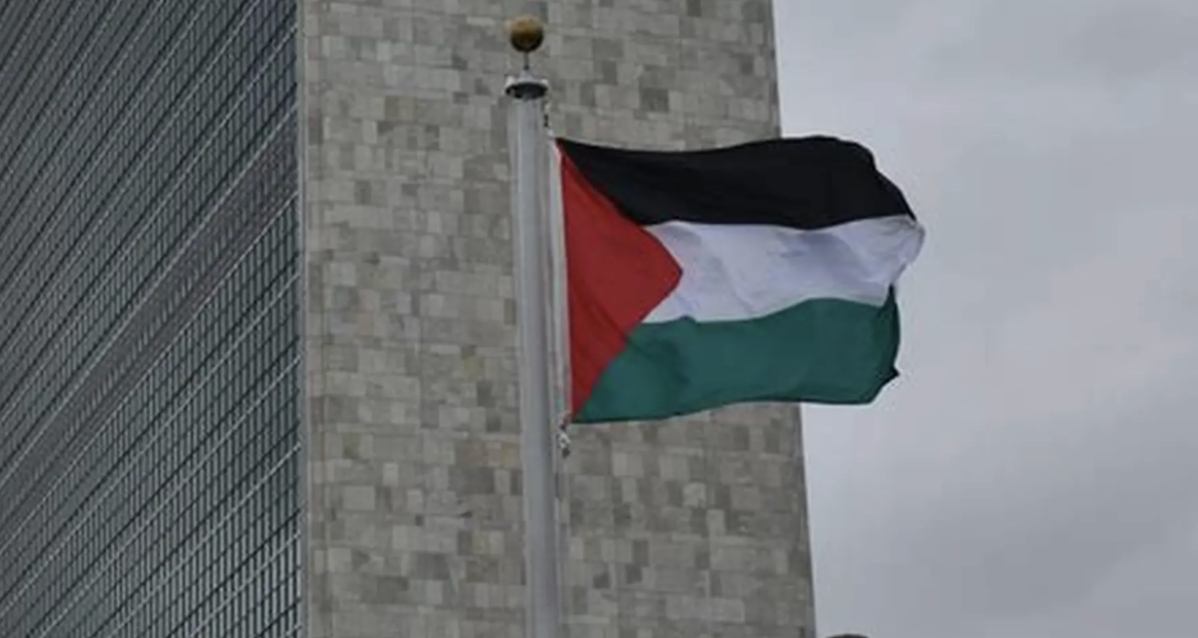
In a major diplomatic shift, a long-deferred dream is inching toward reality within the halls of the United Nations and in capitals across the globe. What had once been considered a fringe position by the West, the recognition of the State of Palestine is swiftly entering the international mainstream. From Ireland and Spain to Norway and Barbados, a diverse coalition of nations is embracing recognition as a political tool. They assert that statehood is not a reward to be granted at the end of negotiations, but a fundamental right which provides the necessary foundation for peace and a viable two-state solution.
The turning point came in September 2025 at the 80th session of the UN General Assembly. The conference was a historical one, with 10 Western governments recognising a Palestinian state, marking a significant change in the international landscape.
The most shocking development came from a group of influential Western nations which had throughout history been among Israel’s closest allies. The coordinated move marked the United Kingdom, France, Canada and Australia announcing their recognition of Palestine within days of each other. Their recognition marks the first three members (excluding Australia) of the G7 to make this step, which symbolises a major break from the long running Western position that recognition should only come as the outcome of a negotiated peace.
The wave of recognition also included Portugal, Luxembourg, Andorra, Malta, Monaco and San Marino at the summit in New York, bringing the total number of states recognising Palestine to 157, representing just over 80% of the international community. France and the UK’s recognition also mean that 4 out of the 5 permanent members of the UN Security Council now recognise Palestine, leaving the United States in an increasingly shrinking minority.
These announcements came as part of a joint French and Saudi Arabian initiative calling for recognition and full UN membership for Palestine, concluding with the issuance of the “New York Declaration.”
The leaders of the 10 nations have framed their recognition as a united front, in favour of preserving the possibility of a two-state solution as a solid foundation for a future peace. UK Prime Minister Keir Starmer stated that the move was essential “to keep alive the possibility of peace,” while his French counterpart, President Emmanuel Macron echoed this sentiment in a declaration that "right must prevail over might." Some nations, however, rejected immediate recognition and attached specific conditions. Belgium, for example, stated that its recognition would only take effect once Hamas is removed from governance and all hostages are released.
While the announcements were well-received by the Palestinian Authority President Mahmoud Abbas and much of the international community, they were not met without criticism. Israeli Prime Minister Benjamin Netanyahu condemned the recognition as an “absurd prize for terrorism”, vowing that a Palestinian state “will not happen”. Netanyahu’s far-right coalition allies and ministers threatened retaliation, with proposed measures including the annexing parts of the occupied West Bank, a land making up almost 94% of Palestine’s territory, illegally occupied by Israel since 1967.
In Palestine, recognition is not an abstract concept but a daily practice of resilience and resistance against eradication. It is an act for a village destroyed in 1948 by a prisoner. In doing so, it defies the systematic attempts to silence and disappear Palestinian history and identity. This recognition is etched into the land, in the olive trees which mark a family’s old claim to a plot and in the keys kept by the refugees as proof of a home they were forced to leave.
The succession of recognitions represents a strategic pivot by the West, moving the idea of statehood from a final reward to a foundation to peace, yet it creates a sharp divide between the growing international call for preserving a two state solution and an Israeli government that completely rejects recognition as a blatant reward for terrorism, leaving the future of Palestine delicately balancing between hope and reality.