The situation of rising prices in graphic cards
By Princeton Chiu
Across the internet, generative AI has become a frequent target for memes and a lightning rod for complaints from users with strong anti-AI sentiments. Alongside its perceived threats to creative careers, critics frequently point to skyrocketing GPU prices and instances of AI underperformance to jest about its widespread popularity.
Graphics Processing Units, commonly known as GPUs, are specialized electronic circuits designed to accelerate digital image processing and computer graphics. They are foundational components in modern technology, used in everything from mobile phones to personal computers. While the underlying technology has existed in specialized fields for years, recent iterations of generative AI are widely regarded as a massive technological breakthrough, capturing immense public attention since becoming accessible to the mainstream.
As the capabilities of generative AI have expanded, GPU prices have surged in tandem. Tech conglomerates have seized this moment to race toward heavy AI integration, aggressively investing in infrastructure and driving up hardware costs globally. According to a TechRadar report published on February 18, 2026, global GPU prices surged by 15% over a mere three-month period, with the United States market suffering some of the most significant inflation.
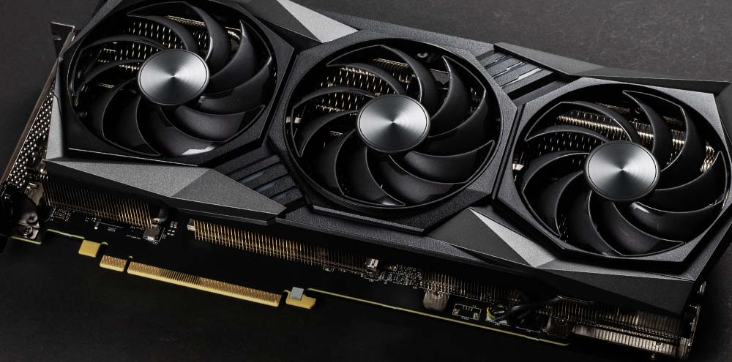
This financial pressure is heavily linked to the memory supply chain. As corporate investments in AI hardware and infrastructure skyrocket, manufacturers are prioritizing the production of High-Bandwidth Memory (HBM)—a specialized storage format explicitly designed for AI accelerators, GPUs, and High-Performance Computing (HPC). Consequently, these significant price hikes have trickled down to everyday consumers, creating a particularly steep hurdle for students.
For instance, design students rely heavily on GPU acceleration for video editing and 3D rendering; engineering students require them to run complex simulations and visualizations; and computer science students need robust hardware to compile code and train local machine learning models. Because these industrial price increases have bled into the consumer PC market, purchasing or upgrading laptops for academic purposes is becoming increasingly unaffordable.
This inflation is just one tangible example of the ripple effects generative AI is having on global markets, and public opinion on the matter remains deeply divided. While the potential of AI is undeniable—as evidenced by the billions of dollars corporations are funneling into its development—the future carries risks. The concern is no longer just market inflation, but the broader societal risk of generative AI evolving to a point where it becomes difficult to regulate, control, or contain, fundamentally altering our daily routines even more than it does today.
However, it remains equally vital to consider how generative AI might be harnessed to optimize productivity and solve complex problems in the future. If developed responsibly, the trajectory of AI may not be entirely doom and gloom.