'No net loss' is not an excuse to destroy homes – the San Tin wetland technopole
By Pia Tuominen
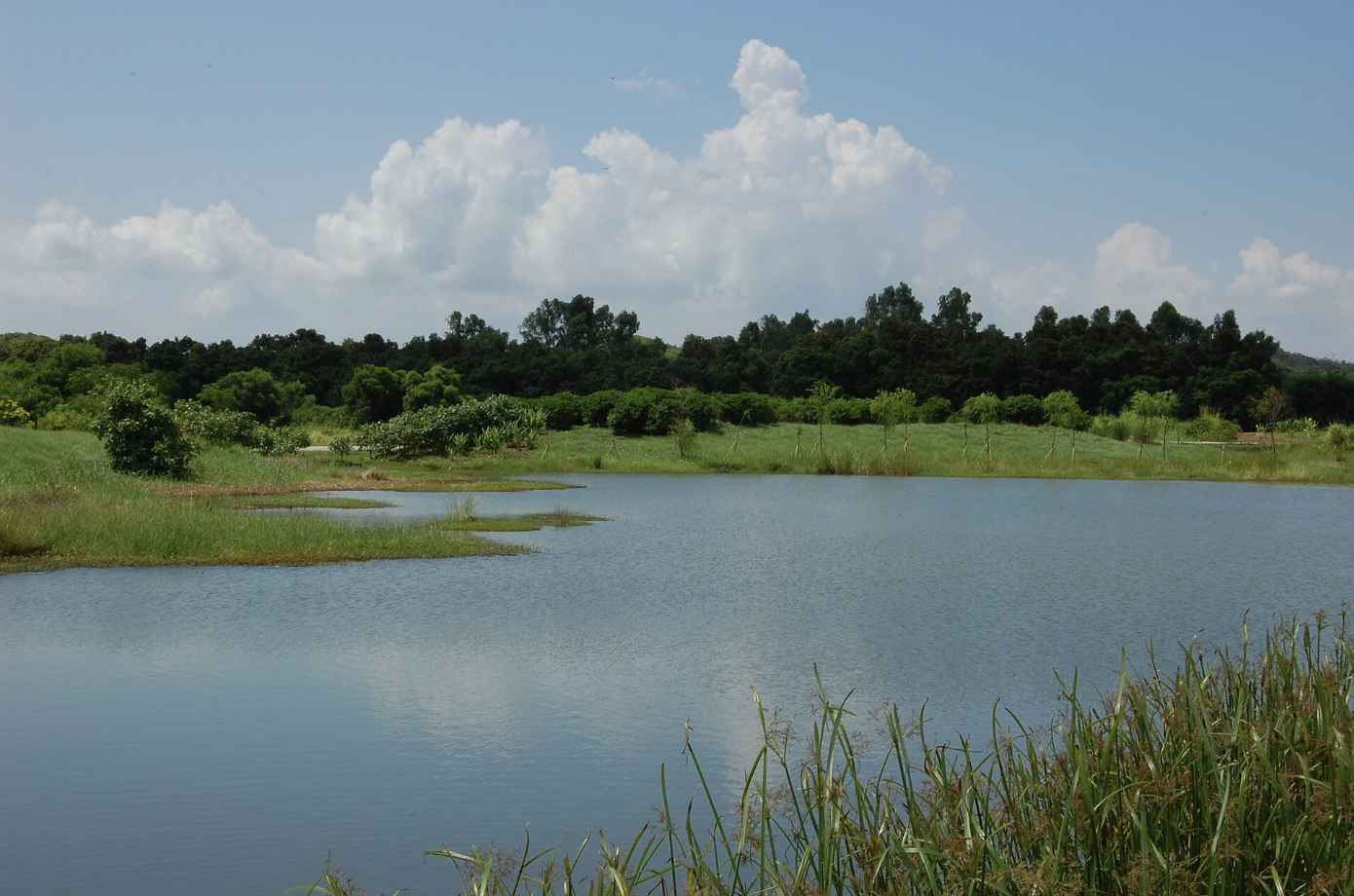
Tin Shui Wai wetlands in 2007
We humans think we are the most important creatures on Earth; after all, our society of digital-watch-wearing apes invented the revolutionary wheel, communicates over thousands of kilometres through the Internet, and have made our way to the reaches of big rocks out in space. These incredible achievements have nearly made us believe that our needs override everyone else’s; but the most important “species” is actually the collective biosphere containing all of Earth’s organisms.
Unfortunately for us, just about every little ecosystem in Hong Kong is on the verge of breaking into full-blown conflict. According to WWF, about 30% of animal populations across almost 900 species spanning every type you could think of are threatened or have already been wiped off the Earth. These species have been observed to have tiny, declining populations, are restricted to cramped spaces, and are forced to inter-breed with other similar species just to keep their genes alive for a little longer, but if nothing changes, these species’ skills and stories would eventually just become fossils buried in the dirt.
But the most threatened ecosystem in Hong Kong? Wetlands. Not only a natural water and air purification system, but also a sanctuary to hundreds of thousands of species worldwide. And despite its magnificent variety, every single species in Hong Kong’s wetlands is subjected to human-inflicted habitat loss, leaving resources scarce, space restricted, and biodiversity lost.
Imagine a lush forest of reeds, weeds, and blossoms, partially submerged in an seemingly-endless pool of cool and refreshing water. You can see a flock of athletic black-faced spoonbills stopping for a well-deserved respite during their migration, walking fish enjoying the aquatic paradise below and above the water, and above you you can see emerald green and sapphire blue dragonflies hunting voraciously for prey. This 10000 hectare habitat could be home to 1300 animal and plant species. But if we halve the amount of land through intensive construction to make room for a landfill or shopping mall, we can expect one-fifth of species to go regionally extinct. Children go hungry, diseases become rampant, fights break out, and psychological trauma is implanted in the masses.
Such habitat loss is mainly driven by our insatiable desire for urban buildings and infrastructure; even familiar fixtures like the West Rail MTR Line were environmentally destructive. However, the most recent, and severe wetland destruction comes from an ongoing project dubbed as the ‘San Tin Technopole’, an information technology nucleus intended to synergize with Shenzhen’s nearby IT park.
The development plan has proposed to ravage habitats worth 20% of all of Hong Kong’s natural land, not including disturbances caused to the surrounding area. The developers claim ‘no net loss’ of the wetlands by constructing an artificial wetland elsewhere, but this is just a blatant example of greenwashing, as there is no evidence that this completely different wetland will still be able to host the same species and ecological functions. According to the species-area relationship, it is not just the species that would directly have their lifelong homes wrecked overnight that will suffer a population decrease, it is exponentially more. Since animals rely on each other for sustenance in complex nutrient webs, when one species suffers, everyone suffers.
These kinds of developments demonstrate utter selfishness and inconsideration, in that facilities for humans, which we can still have while minimizing ecological harm, are more important than the lives of other animals.
How would you feel if some furry green aliens descended from space tomorrow, filled the entire Earth with iridescent slime to make room for a space highway rest stop, in their words, “revolutionizing inter-galactic travel”, and put us on a tiny, somewhat habitable exoplanet without a further thought of whether we would be able to survive or not?
Although it is best to not build on wetlands at all, there will inevitably be more development in the world, which you may even be pioneering in the future. Any construction that encroaches on natural lands will negatively impact habitats. But through adopting various innovative design guidelines, we can live alongside other organisms rather than against them.
An incredible amount of factors must be considered to minimize environmental damage during wetland construction, but every design decision should adhere to two essential principles.
First, we must preserve ecologically valuable wetland. Before building, we must map the most rich and biodiverse ponds, thickets, and watercourses, and under no circumstances can we taint their pristine conditions. We should instead opt for land at the edges of the wetland, effectively preserving as many livelihoods as possible.
Second, we must facilitate the natural movements of animals. Instead of filling ponds with hard, unforgiving concrete to avoid floods, raise buildings above flood levels on supportive stilts, to keep animals alive and well while allowing nutrients to circulate through the entire ecosystem. Furthermore, buildings can be fitted with patterned glass, so birds can fly freely and joyfully without the risk of deadly collisions.
Despite the fact that it is just impossible to reverse the harm that has already been done, we can absolutely adopt these practices in the future. And even if you are not an engineer or architect, supporting organizations who promote biodiversity, like Green Peace and The Hong Kong Bird Watching Society, can also prevent habitat loss. Rather than destroying it with our intellectual advancement, now is the time for us to use our convoluted brains to heal the world.