US-Cuba Relations Worsen As Trump says Mexico will stop sending oil to energy-starved Cuba
By Darius Chau
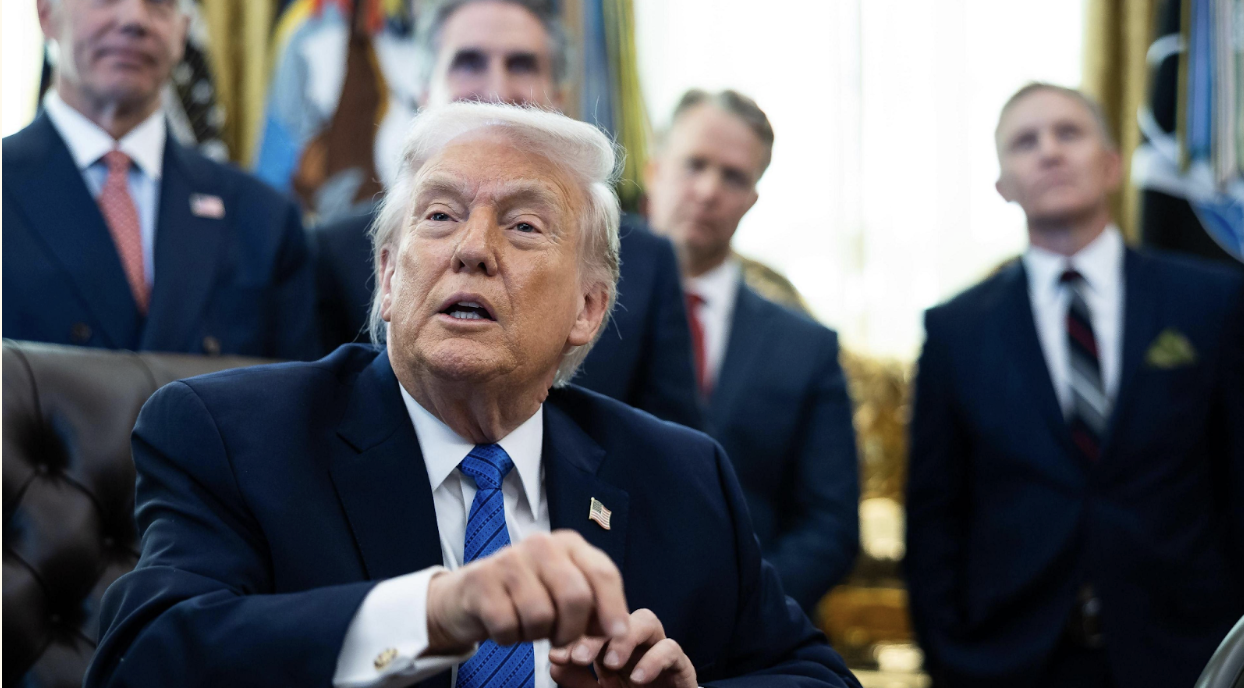
On Monday, 2 February, United States President Donald Trump remarked that Mexico would stop exporting oil to Cuba as the United States intensified a pressure campaign against them.
This is perceived to potentially hurt Cuba’s economy greatly by Mexico and many regional analysts in Cuba, as Mexico is the largest supplier of oil to Cuba, even supporting them regularly when they suffer from energy shortages and power outages. Not only that, but Mexico also exports refined products of electricity generation, petrol, and aviation fuel to Cuba, which the latter desperately relies on.
Nevertheless, Mexican authorities initially didn’t respond when Trump stated that “Mexico is gonna cease sending them (referring to Cuba) oil,” in the oval office of the white house on Monday to reporters. Strangely, Trump did not elaborate further.
Ever since the Cuban revolution in 1959, Cuba has relied greatly on international imports due to economic distress from sanctions from the United States from 1960 to 1962. Being a communist regime and suffering from an economic crisis, Cuba has depended on a small number of allies. With Mexico pulling out of Cuba’s imports, the Caribbean nation could be in deep trouble.
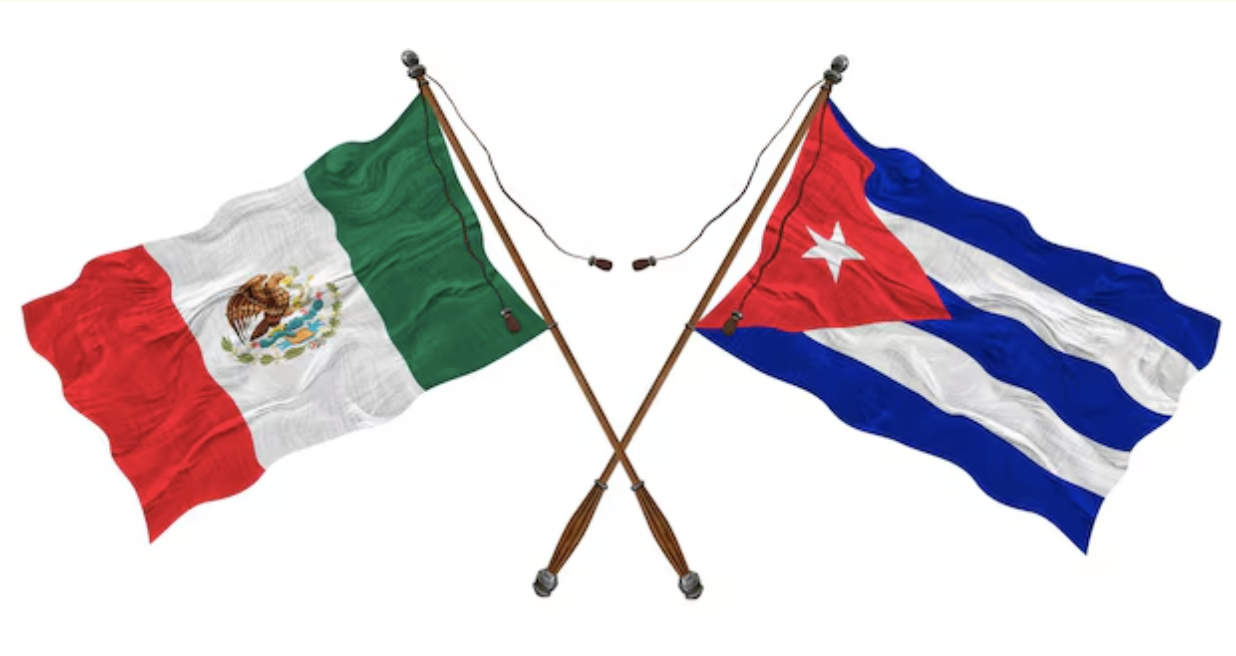
Later on 2 February, news agency company Reuters reported that the Mexican government was deciding whether to continue sending oil to Cuba, as doing so could lead to confrontation and further problems with the United States. Mexican president Claudia Sheinbaum Pardo and her administration then responded, claiming they would continue to export oil to Cuba for humanitarian reasons, “without seeking confrontation”.
According to South China Morning Post (SCMP), Trump’s motivations behind imposing an oil trade embargo between Mexico and Cuba was due to rising tensions between the United States and Cuba following the capture and abduction of Venezuelan president Nicolas Maduro in early January, a Cuban ally, which prompted Trump to consider Cuba “an unusual and extraordinary threat” to US National Security, going to the extent of warning other countries to not export oil to Cuba otherwise the United States would impose more tariffs on them. In the meantime, Cuba and the United States are engaged in discussions, as reported by Carlos Fernandez de Cossio, Cuba’s deputy foreign minister. “We have had exchange of messages, we have embassies, we have had communications, but we cannot say we have had a table of dialogue,” de Cossio remarked. In another interview, de Cossio stated “If we can have a dialogue, maybe that can lead to negotiation.” De Cossio also conditioned that Cuba’s economy, constitution, and socialist government will not be discussed in negotiations with the United States.
Trump has confirmed these discussions himself, telling reporters at Mar-a-Lago “I think we’re going to make a deal with Cuba.” Reports also show that Trump has had private discussions with Sheinbaum regarding shipments to Cuba, especially concerning fuel exports. Sheinbaum reinforced her point that the exports are for humanitarian purposes and aid.
Recently, the United States has attempted to obstruct all oil imports into Cuba, especially from Venezuela. De Cossio responded by saying “The US is attempting to force every country in the world not to provide fuel to Cuba. Can that be sustained in the long run?” signalling his thoughts that the United States’ actions will backfire.
Further reading: